Richard A. Beaumont Memoir:
The Art and Practice of Human Relations
It is rare, especially today, that one person would hold more than four decades of institutional knowledge about a particular organization.
And it is especially valuable to have access to that knowledge when an organization and its industry have undergone a wide arc of growth and change.
Recognizing just such an opportunity, the board of Industrial Relations Counselors, Inc. (IRC) asked Board Member Emeritus Richard A. Beaumont to prepare his memoir. The result is The Art and Practice of Human Relations, a book that begins with the birth of the organization in 1926 and the early life experiences that led Richard to join in 1958.
It goes on to trace the effect on his career and his lifelong interest in, and understanding of, human relations in the workplace. His story serves as the backdrop for an intimate look at the development of both the study of human resources management and the organization that is currently known as Innovation Resource Center for Human Resources (IRC4HR®).
As a leader and a human being, Richard had a strong code of ethics that inspired those around him. A master storyteller, he also had a keen sense of human potential and provided unique development opportunities for the people he hired. Many former employees attribute their successful global business careers to the experiences that Richard provided. For more than thirty years, I was fortunate to have him as my mentor and friend.
Richard Beaumont died October 3, 2020, at the age of 94. The IRC board of trustees published his memoir to honor his legacy and to celebrate this organization’s remarkable history and impact on the field of human resources management.

Jodi Starkman
Executive Director
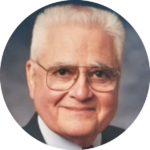
“When the IRC board asked me to develop my memoir, it was both to memorialize the long history of my association with IRC and ORC and to preserve another aspect of the operating history of these two unique organizations. I undertake this task with humility and excitement, for IRC and ORC were both organizations that have contributed a great deal over the years to support and advance the development of a sophisticated function to help workers and managers join together to make contributions to the economies of their companies and the countries where we have worked.”
—Richard A. Beaumont
2017
Read excerpts below from
The Art and Practice of Human Relations
Want all the excerpts in one place?
Download the complete collection from
The Art and Practice of Human Relations
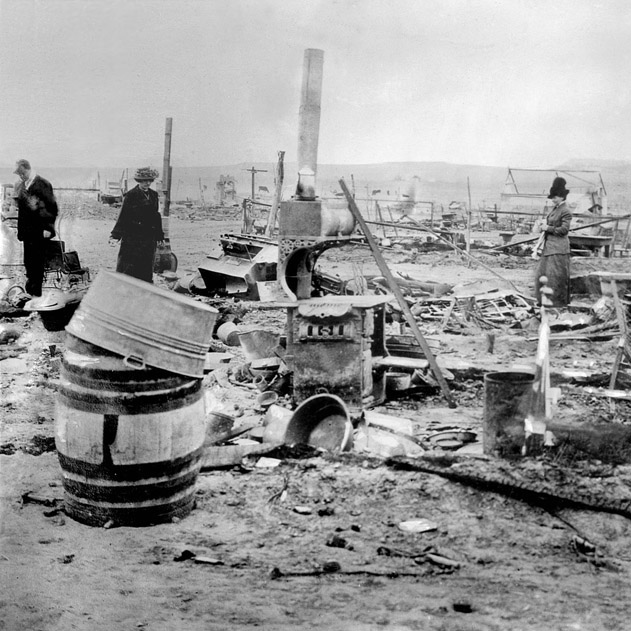
The Birth of Employee Relations (and the Beginnings of HR)
It may be a surprise to some people that John D. Rockefeller Jr. was a champion of what we now know as the broad field of human resources. But Rockefeller was so much more than a petroleum industry heir or even an engaged philanthropist.
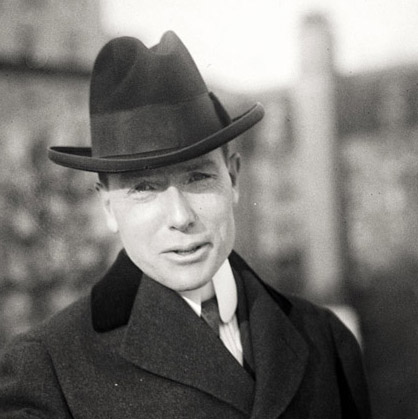
The Champion of Work Relations
Among Rockefeller’s many actions was the establishment in 1926 of Industrial Relations Counselors, Inc.—renamed Innovation Resource Center for Human Resources (IRC4HR) in 2015 —as a nonprofit research and educational organization to “advance the knowledge and practice of human relations” in the workplace.

Appreciating Diversity, Experiencing Inclusion
In my school years in New York City during the early 1930s, I was exposed to schoolmates from almost every background imaginable. My friends were from diverse religious beliefs, national backgrounds, race, and economic circumstances.
Life: A Mix of Serendipity, Opportunity, and Choice
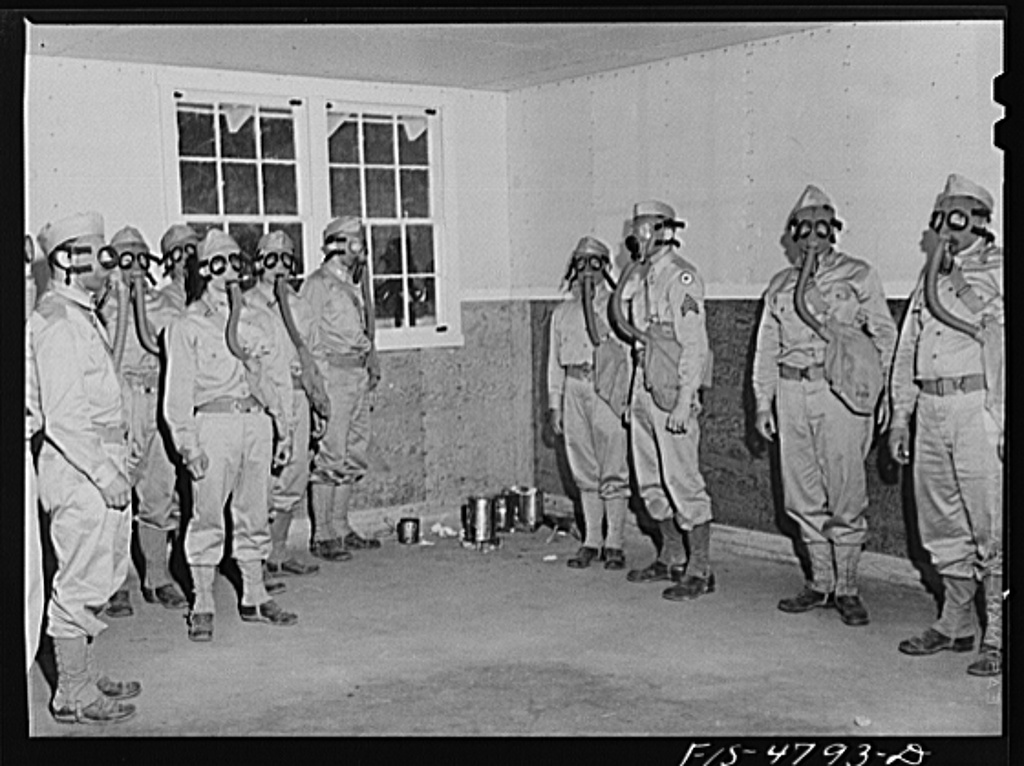
I was drafted into the Army shortly after my 18th birthday and, because of my interest and background in chemistry, the Army decided that Medical Corps basic training was a good fit with my interests. I was sent to Camp Grant, Illinois, and soon discovered that Medical Corps basic training was not for me.

An Ongoing Interest in Recognizing and Bridging Difference
I knew that at the end of my military service, I would need to find ways to learn to understand our world better than I did, and that my earlier focus on science was not the path to understanding.
In Search of a Framework for Understanding People and Organizations
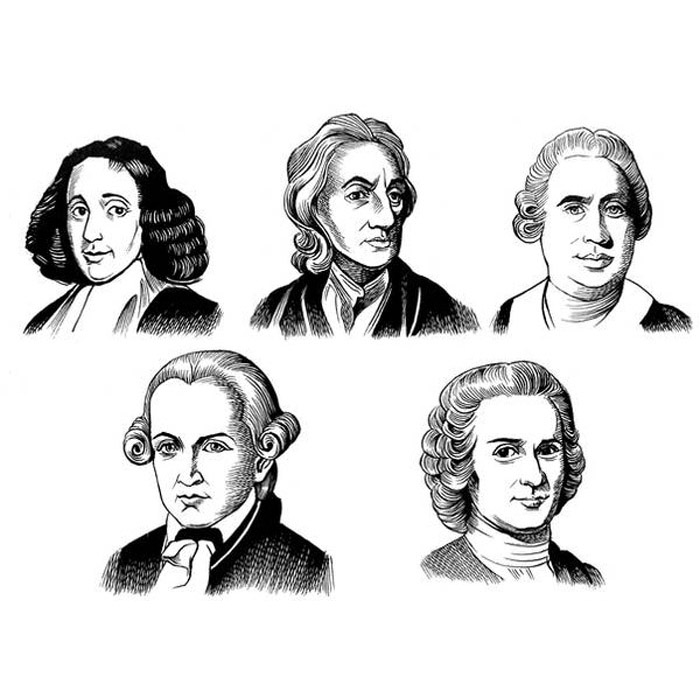
I will never forget the lesson taught by the one-question final exam for one of my philosophy classes.
A Job: Defining the Core Element of Work and Organizations
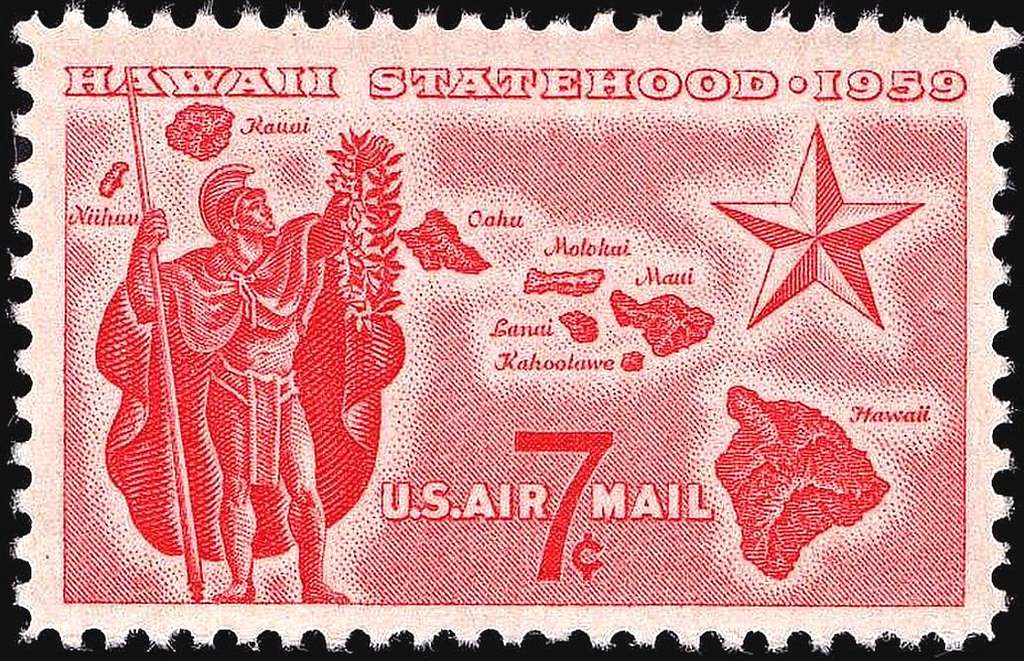
I entered law school after college, and a friend from law school invited me to join him in his native Hawaii to work on a consulting project to assist the Territorial Government of Hawaii make the transition to statehood.

A Major Project Leads to a Life-Changing Opportunity
So far as we knew, nowhere were agricultural workers included in any state’s unemployment insurance system.
Good Management, Employee Representation
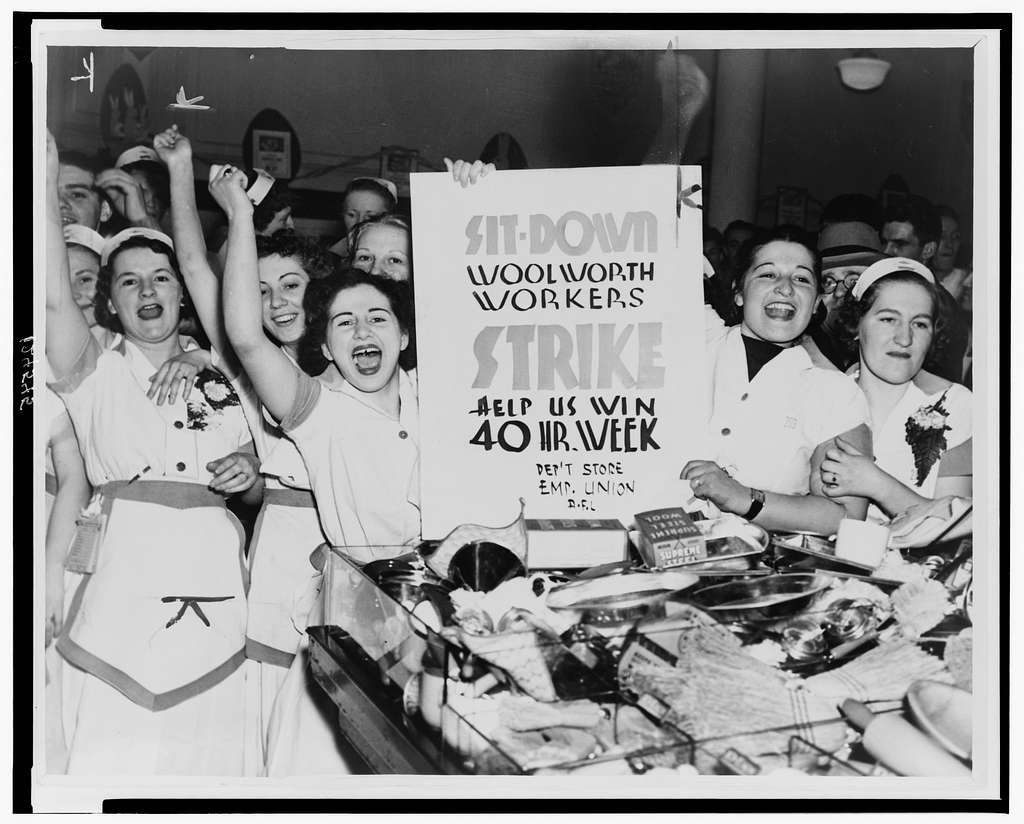
IRC’s mission has always been to promote sound management and employee relations and to help companies be smart in managing their employee relations responsibilities.
Diversity, Circa 1955
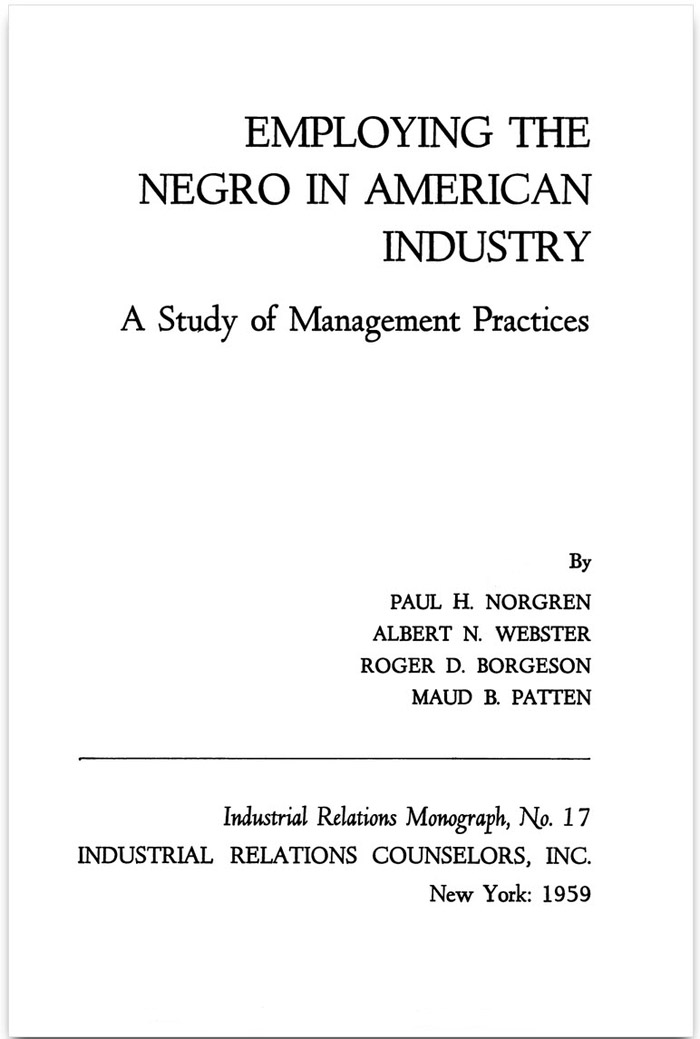
Around 1955, the IRC staff developed a proposal for the Ford Foundation and the National Urban League to study the employment of African Americans in industry. This report had the working title “The Negro Study.”

The IRC Culture: Everyone Had a Voice
At IRC, everyone mattered, and everyone felt that our mission mattered. We were all a team.

IRC: Research and Education
In the late 1960s, IRC got a five-year research support commitment from Chevron, DuPont, Exxon, General Electric, General Motors, Gulf Oil, Procter & Gamble, Westinghouse, Western Electric, and Standard Oil of Indiana.

Automation and Human Resources
During the early 1960s, it was revolutionary to see automobiles being assembled with very few human workers in sight on an assembly line.

Dividing IRC: Consulting and Research Interests
In the 1950s, then-president Carroll E. French believed it would be good business to split the organization into a nonprofit that would retain the IRC name designator and a similar name for a company with the word “service” added to it.
