2050: The Future of Work for Older Workers
Just Announced!
There are multiple plausible futures for older workers by 2050, depending on choices made today about job design, skills, health, care, and how technology is deployed. Understanding these futures today can help shape better outcomes over the coming decades.
Using a scenario-led approach grounded in practitioner insight, co-creation workshops, and targeted lived experience, this project will develop several vivid, plausible futures for older workers across key sectors in the UK and US. These futures will be captured in a narrative report, policy report, and accompanying presentation.
Researchers
Ben Franklin
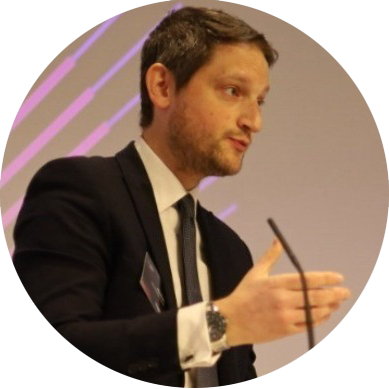
Ben Franklin is deputy chief executive and oversees major policy programs at ILC-UK and leads work on the economic and social impacts of demographic change. He has particular expertise on older workers, retirement income, and the macroeconomic effects of aging.
Previously chief executive of the Centre for Progressive Policy, he has advised national and local leaders on inclusive growth and economic inequality. He has also worked in HM Treasury, the Financial Conduct Authority, and the insurance sector.
Tanya Singh
Tanya Singh is a senior research fellow at ILC-UK and leads quantitative and policy research across employment, health, industrial strategy, and public services. She previously worked as a Research Economist at the Growth and Reform Network, leading applied economic analysis and policy evaluation.
Her expertise includes labor markets, demographic change, and econometrics. She holds an MSc in International Development from King’s College London and a BA in Economics from the University of Delhi.
Molly Townsend

Molly Townsend is the research and policy officer at ILC-UK with extensive experience in policy research and stakeholder engagement across charities and research bodies. She previously worked on the Independent Commission on Neighborhoods, contributing to policy development and communications. She brings strong experience in public affairs and cross-sector engagement.
Hope Scott
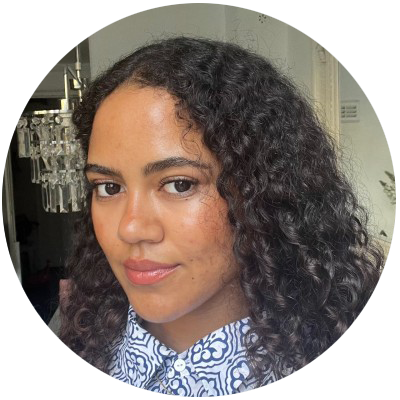
Hope Scott is the events and communications officer at ILC-UK. She has experience in public affairs and stakeholder engagement within the financial and professional services sector. Hope will help oversee workshop delivery, stakeholder engagement, and dissemination, including launch and media coordination.
International Longevity Centre is the UK’s leading authority on the impact of longevity on society, combining evidence, solutions, and networks to make change happen.
ILC helps governments, policymakers, businesses, and employers develop and implement solutions to ensure we all live happier, healthier, and more fulfilling lives—a society where tomorrow is better than today and where future generations are better off.
ILC wants to help forge a new vision for the 100-year life, where everyone has the opportunity to learn throughout life, and where new technology helps us all contribute more to society.
IRC® + IRC4HR® Project Publications and Learning Materials
Please check back later.
Project Details
Longer lives are reshaping labor markets, but the direction of travel is varied and uncertain. While some people may experience extended working lives as enabling and fulfilling, others risk being pushed to work longer in roles that undermine health, dignity, and financial security.
The future for older workers will be shaped less by demography itself and more by choices made today: about job design, skills, health, care, and how technology is deployed. AI and related technologies could either augment older workers’ capabilities and extend good-quality working lives or accelerate polarization and exclusion.
At the same time, employers across a range of sectors are already experimenting with new approaches to older workforces. These efforts remain uneven and under-analyzed, but they offer important insight into what different futures might realistically look like.
This project starts from the premise that there are multiple plausible futures for older workers by 2050, and that understanding these futures now can help shape better outcomes over the coming decades.
Using a scenario-led approach grounded in practitioner insight, co-creation workshops, and targeted lived experience, this project will develop a set of scenario-based futures that explore how work at older ages could be experienced in 2050 under different policy, labor market, and technological conditions for older workers across key sectors in the UK and US. To reflect differing physical, cognitive, and industrial demands, these include:
- Health and care work
- Construction and manufacturing
- Professional and business services
- Digital and technologies
The mixture of industries will allow the researchers to explore how aging, technology, and job quality interact in different ways and how inequalities may widen or narrow depending on choices made.
The resulting futures will be captured in a narrative report, policy report, and accompanying presentation.
